Vote Loki! Variants Cosplay

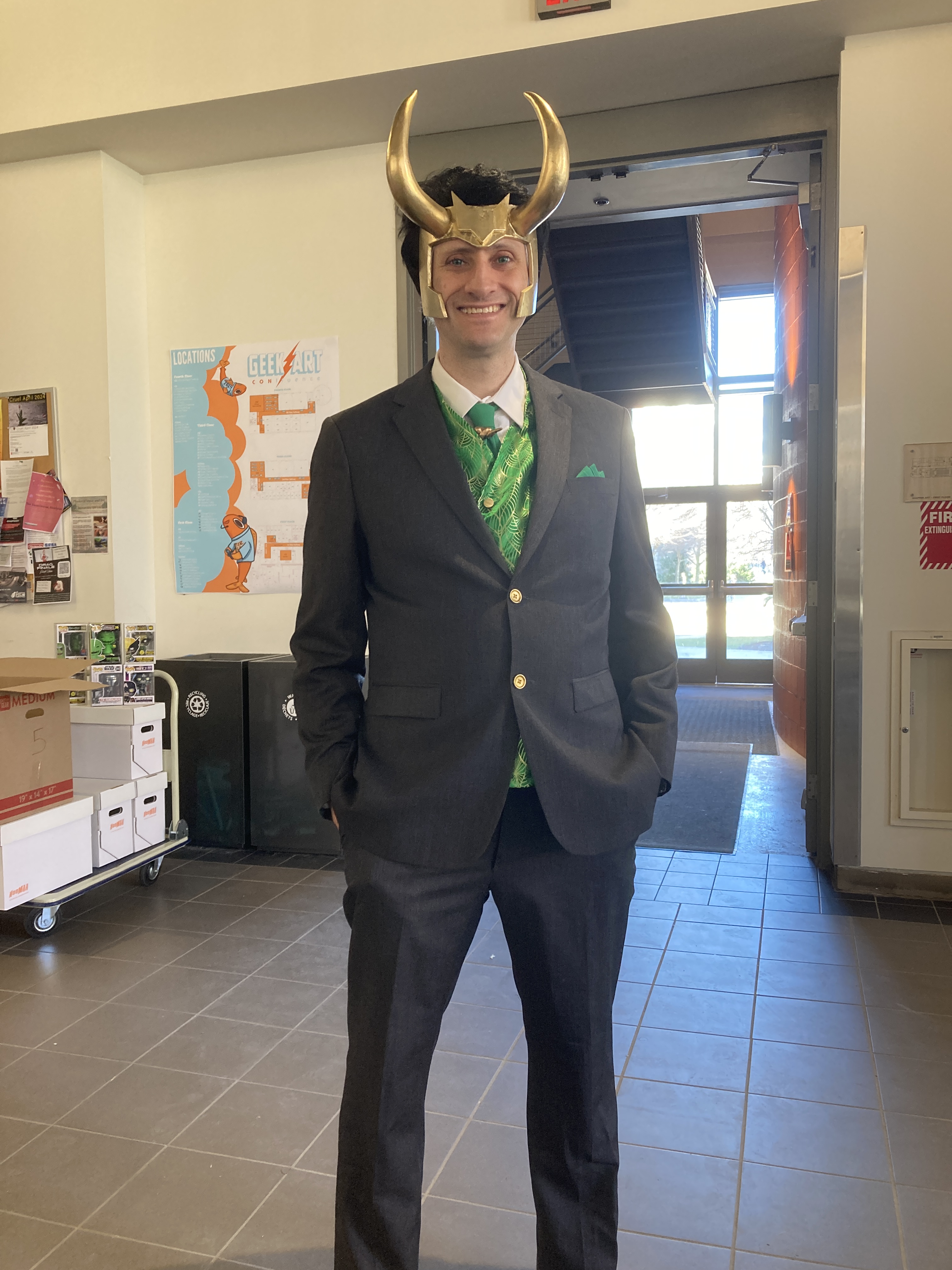
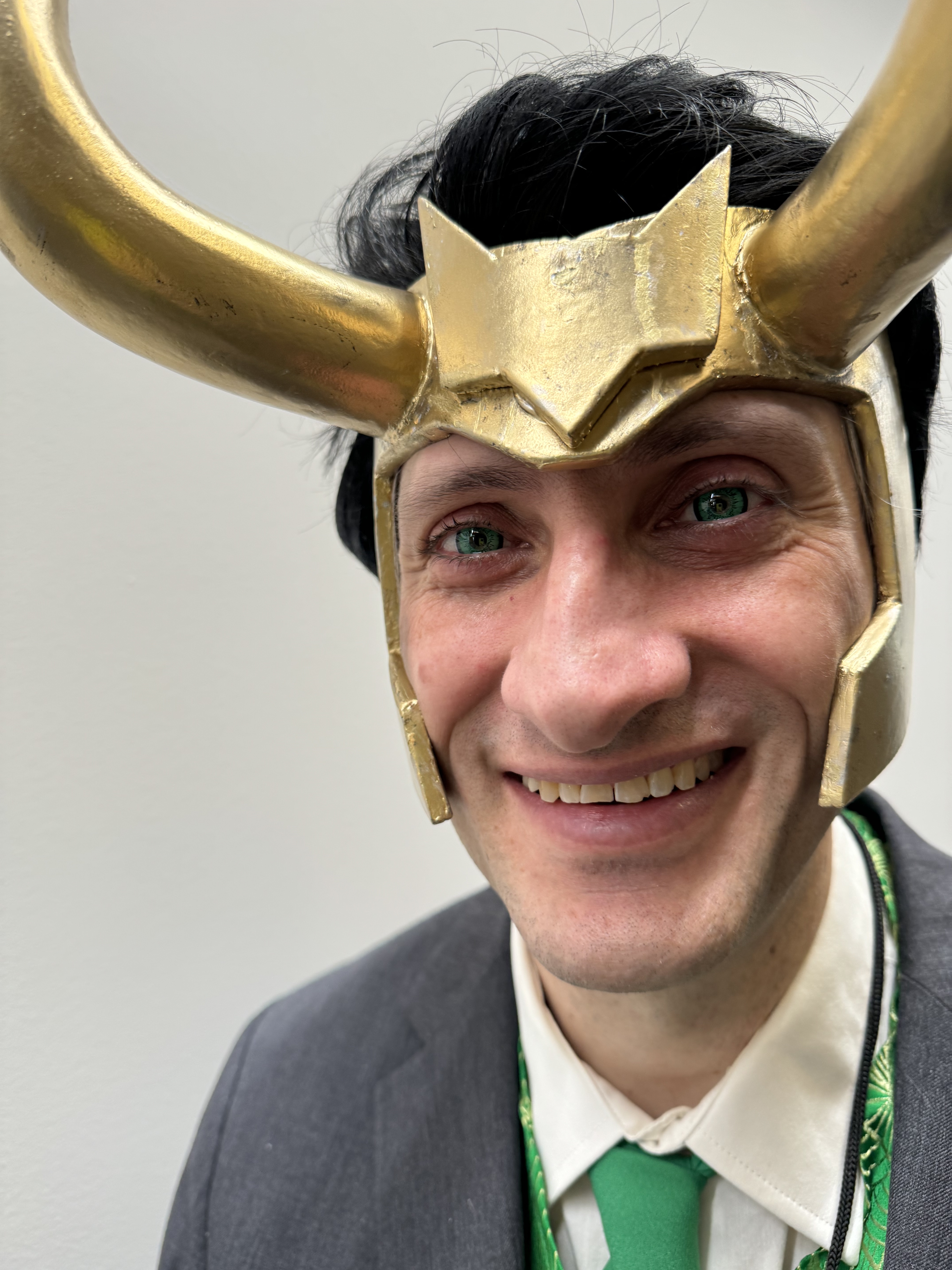
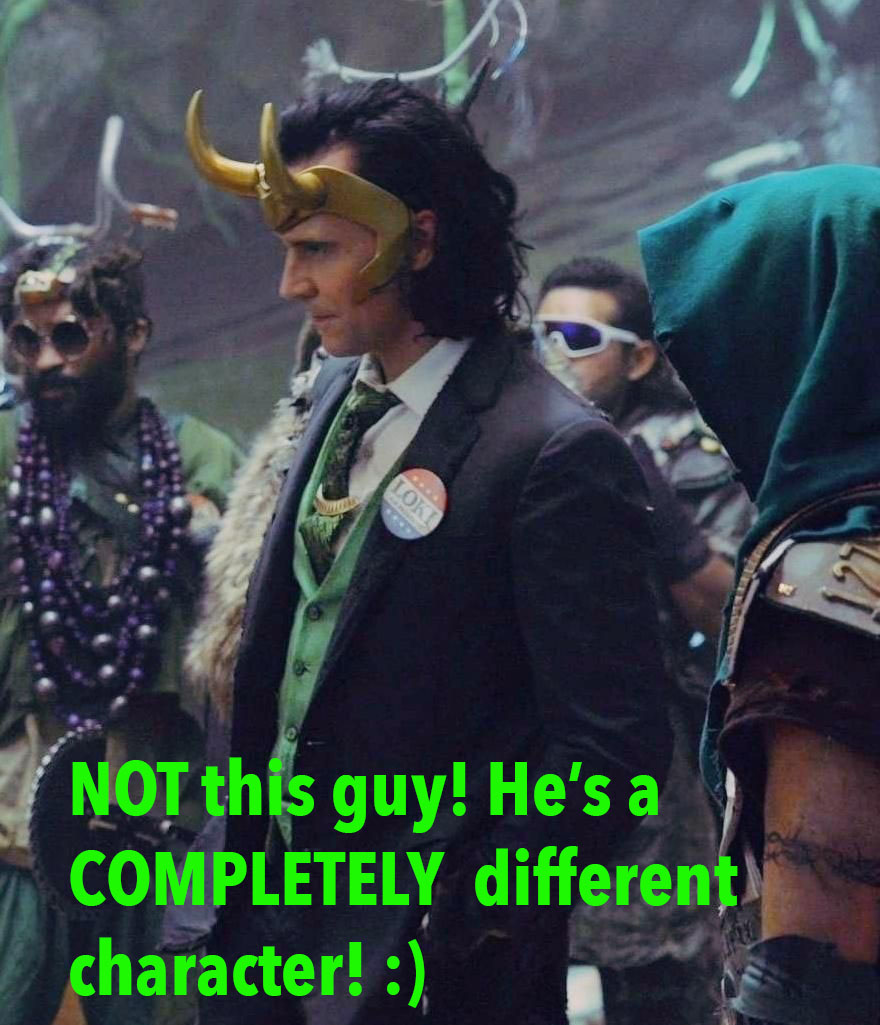
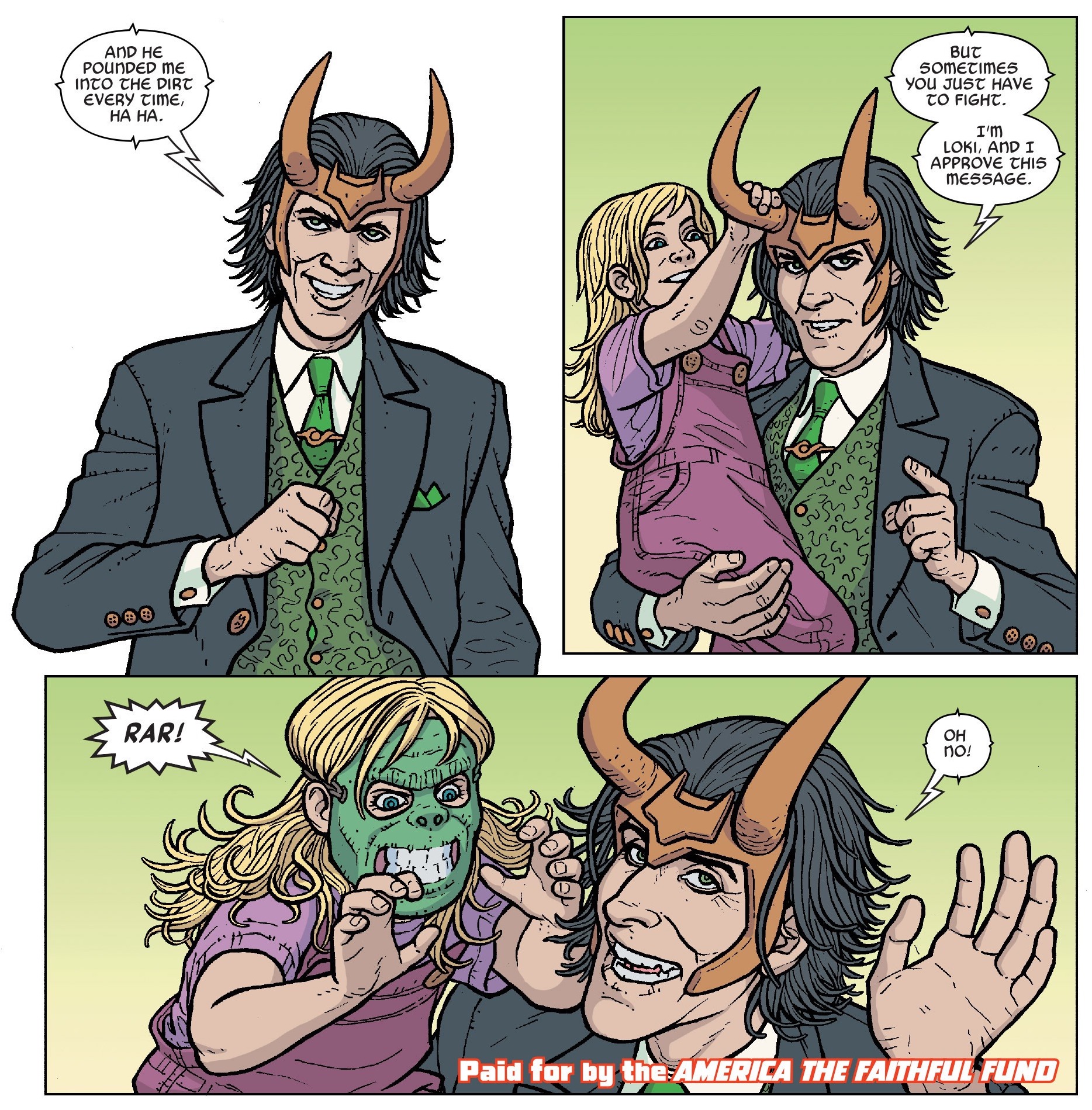
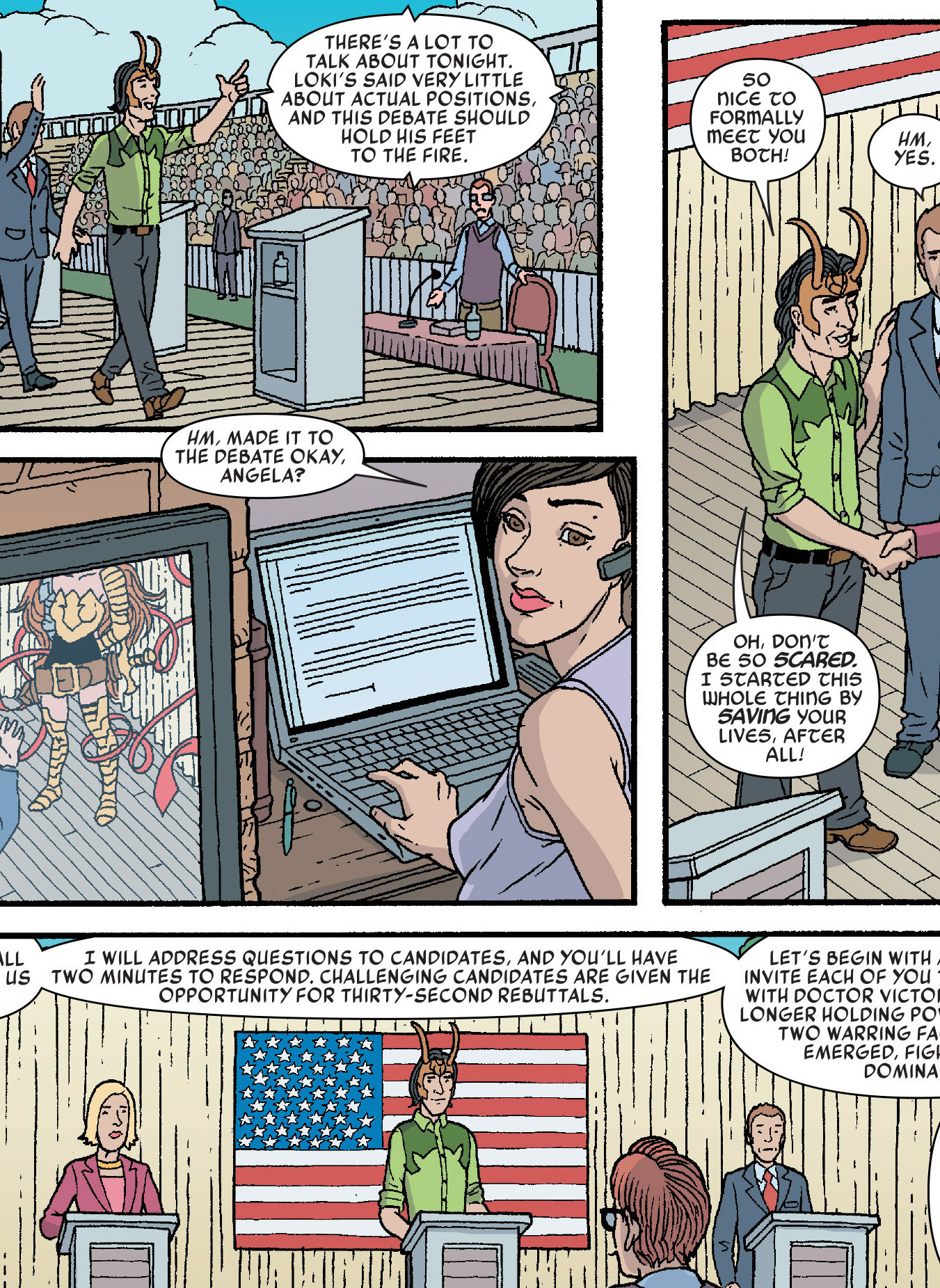
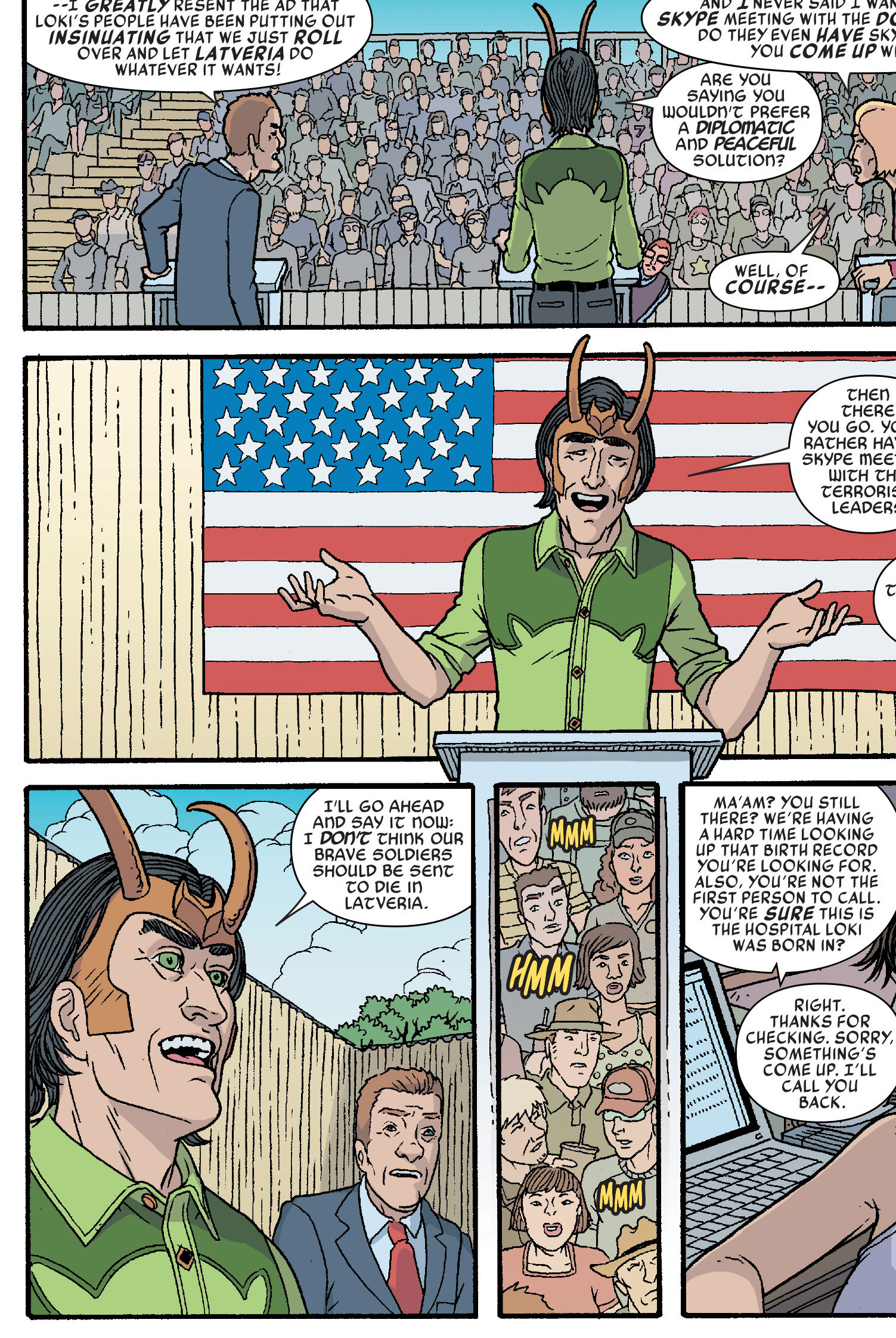
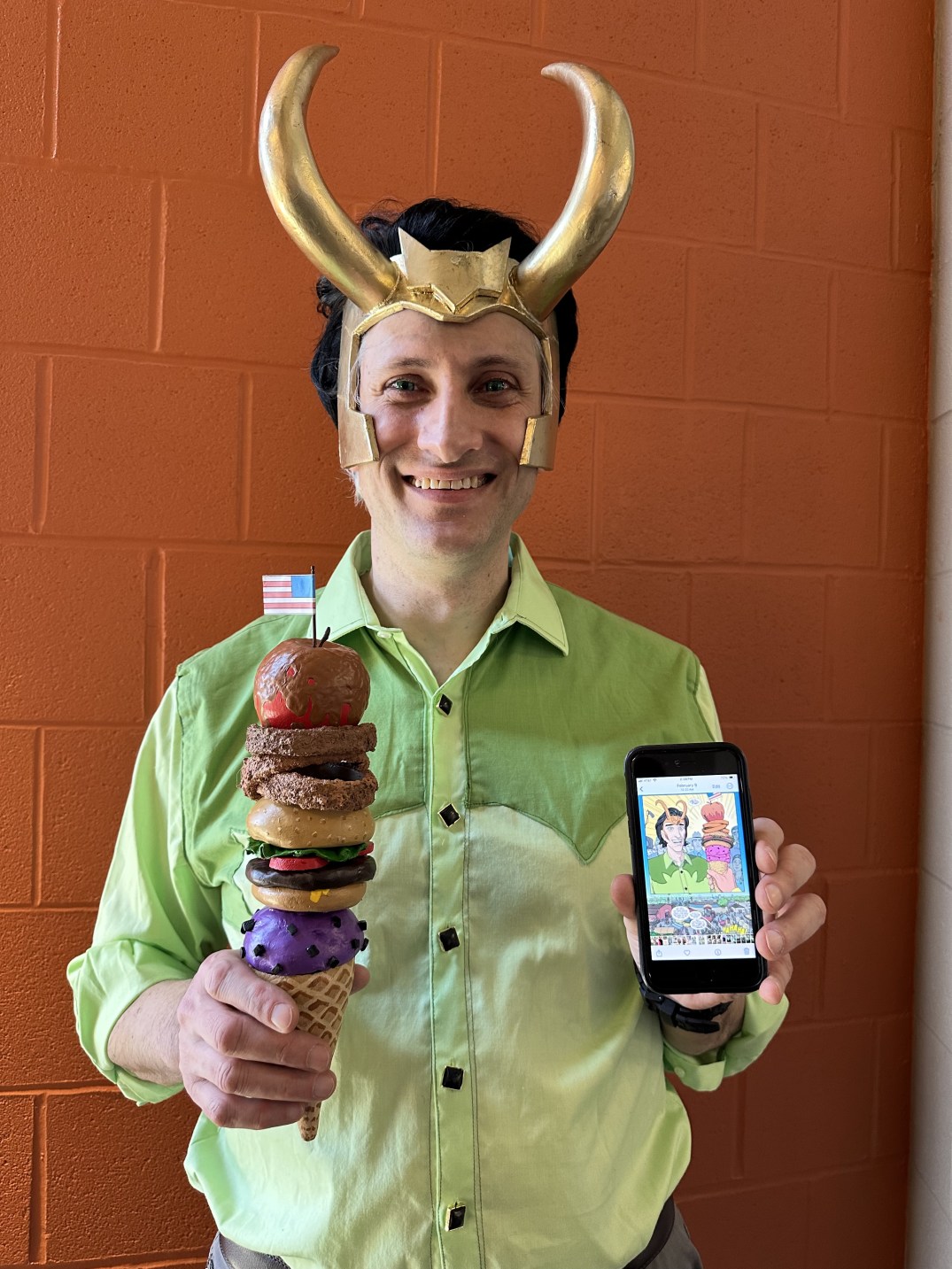
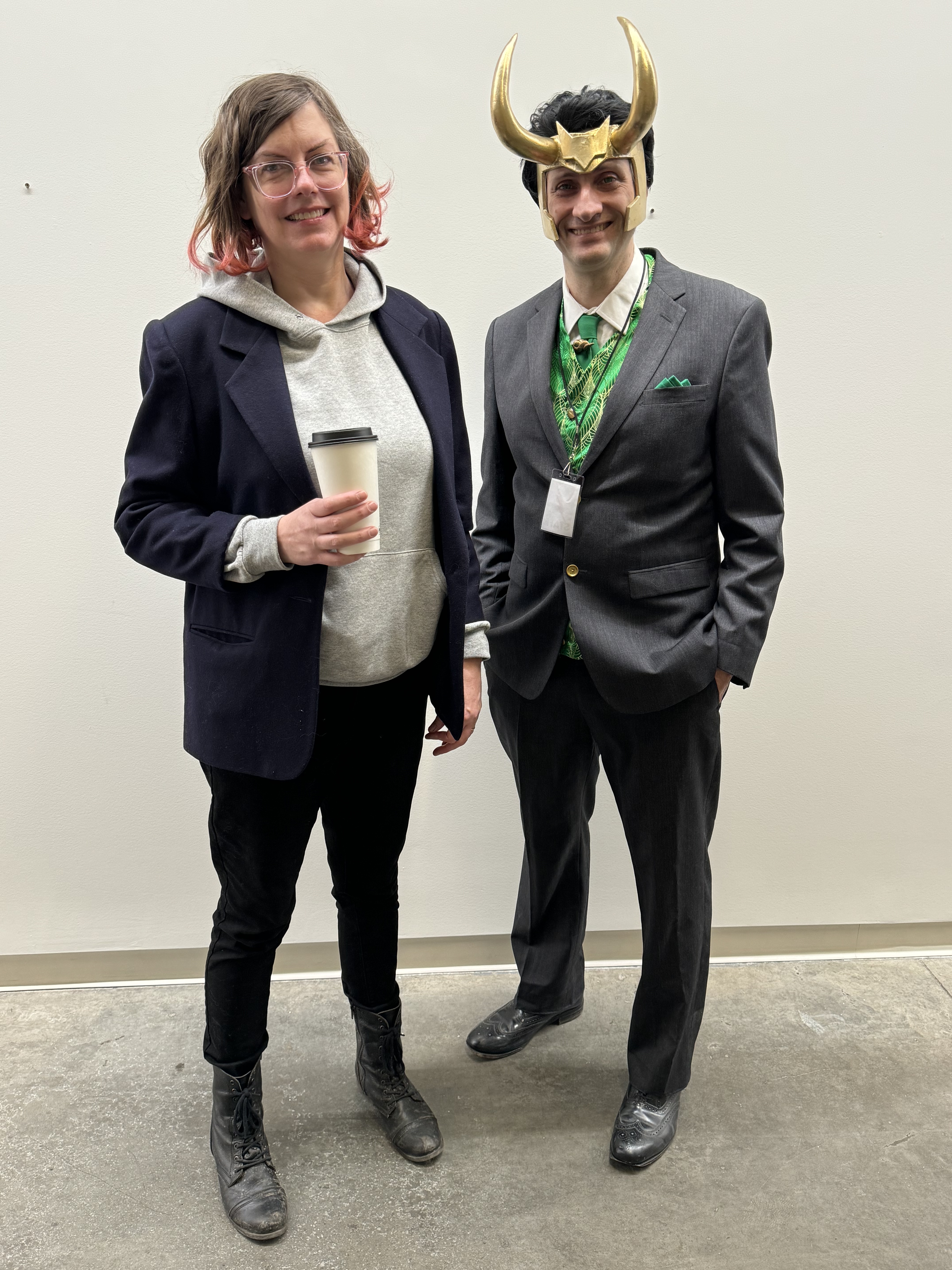
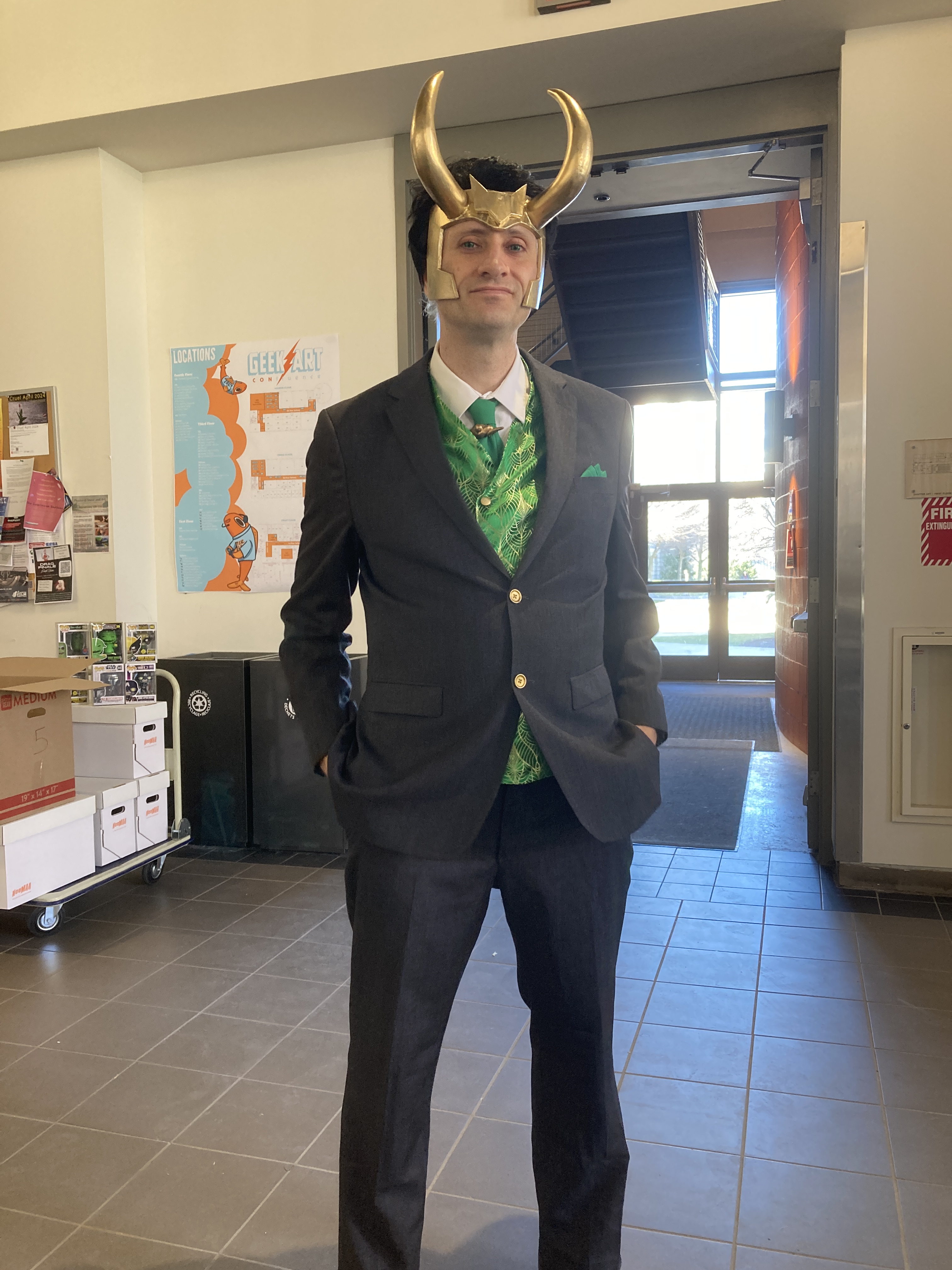
These are two cosplays based on the 2016 Vote Loki miniseries, which later inspired the look of President Loki, who appeared briefly in the far future in the MCU.

I will be playing with the idea of Variants–an MCU Loki concept–with these cosplays, adding to and changing them over time. I call these two looks “Suit Loki” and “Western Loki.” They are technically just different clothes for the same Loki as opposed to truly different Variants. Loki has a kind of complicated history in the last 10 or 15 years in the comics. There was standard Evil Loki, who died so he could be reborn and forgiven as Kid Loki, who sacrificed himself as well. Then we got teen Loki (born from a raven named Ikol who was actually the old Loki, sort of) in Young Avengers and Agent of Asgard, who became the God of Stories (and increasingly embraced gender fluidity). They then took a trip out of the timeline into the “present.” In-between then and the God of Stories’ recent reappearance, we got Vote Loki, a more adult version of Loki, who then continued on in other appearances (including a stint as Sorcerer Supreme). Currently, even more Variance has been happening with Loki in Defenders and Immortal Thor, with changes coming quickly enough that it’s not worth recapping at the moment except to say that they embrace recent evolutions and create even more.

All of which is to say that these Loki costumes will include a lot of Variants over time. A new accessory will be introduced for Suit Loki soon, and we’ll see other Variants as well.

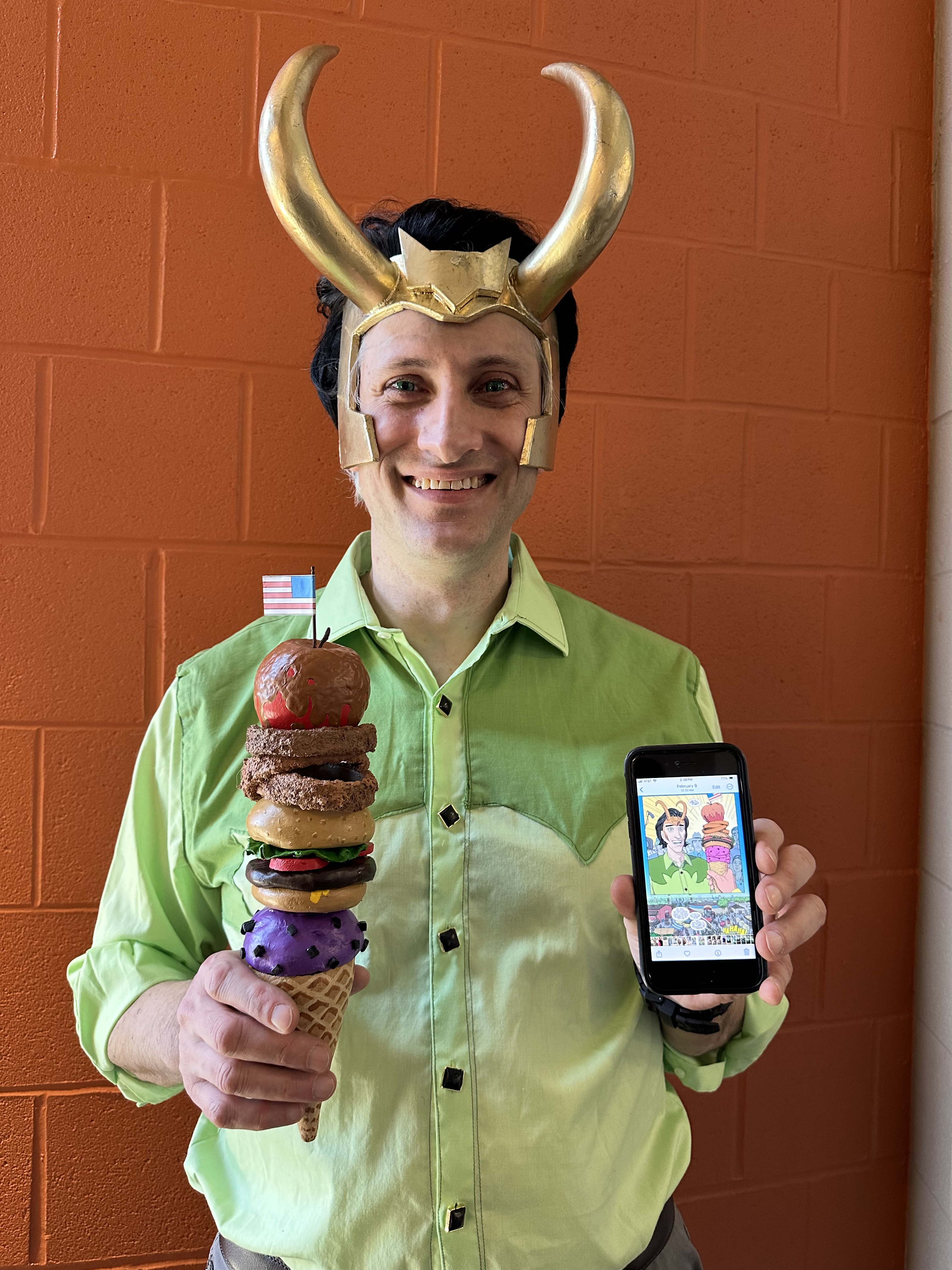
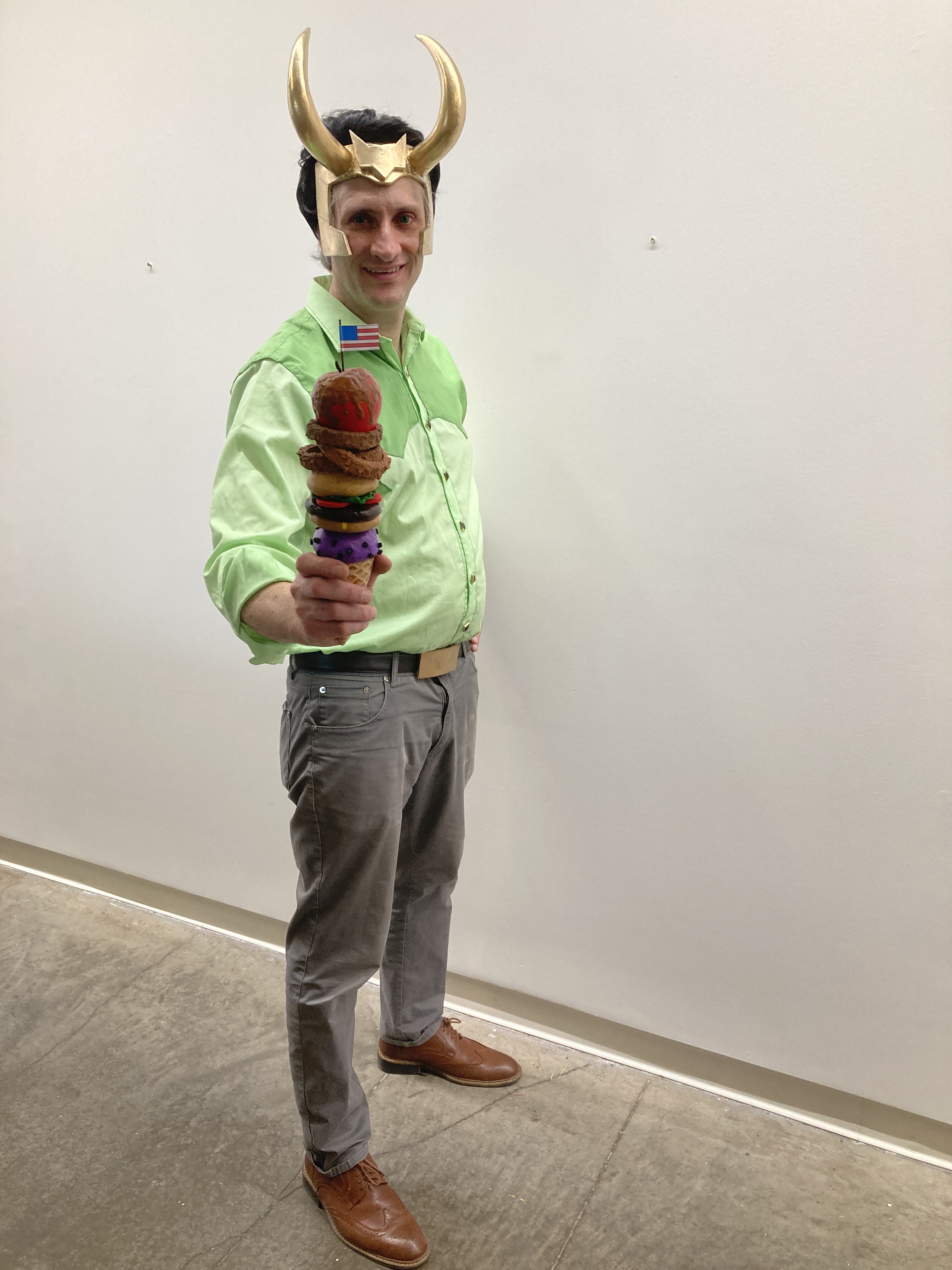
This is my first cosplay with prescription colored contacts, and I was somewhat shocked how clearly I could see with them. Western Loki’s “ice cream plus” cone is one of my favorite things I have ever made (“By the Gods! What is this work of art?”).

Suit Loki only appeared on one page and Western Loki on three, with the SuperCone in a single panel.
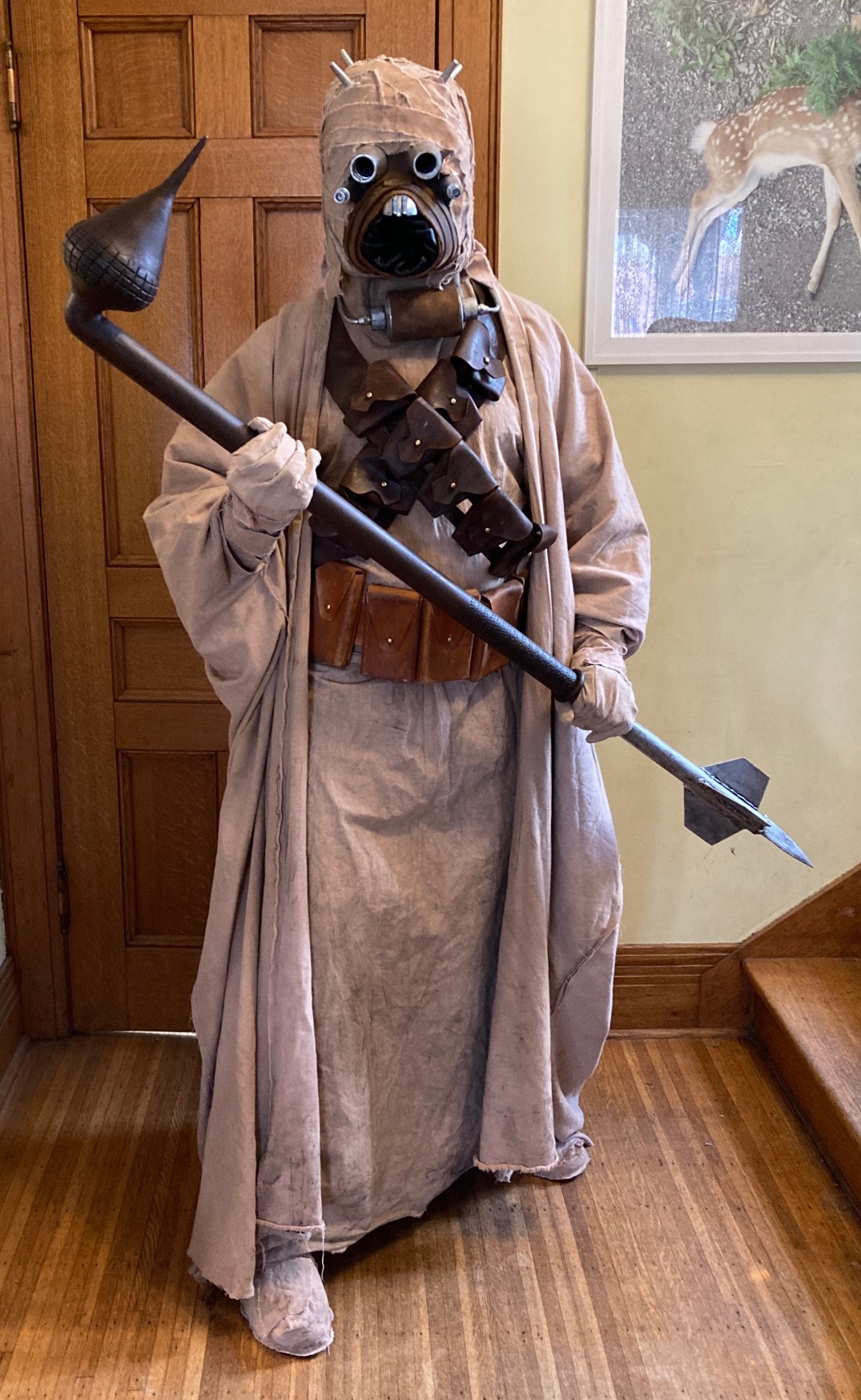
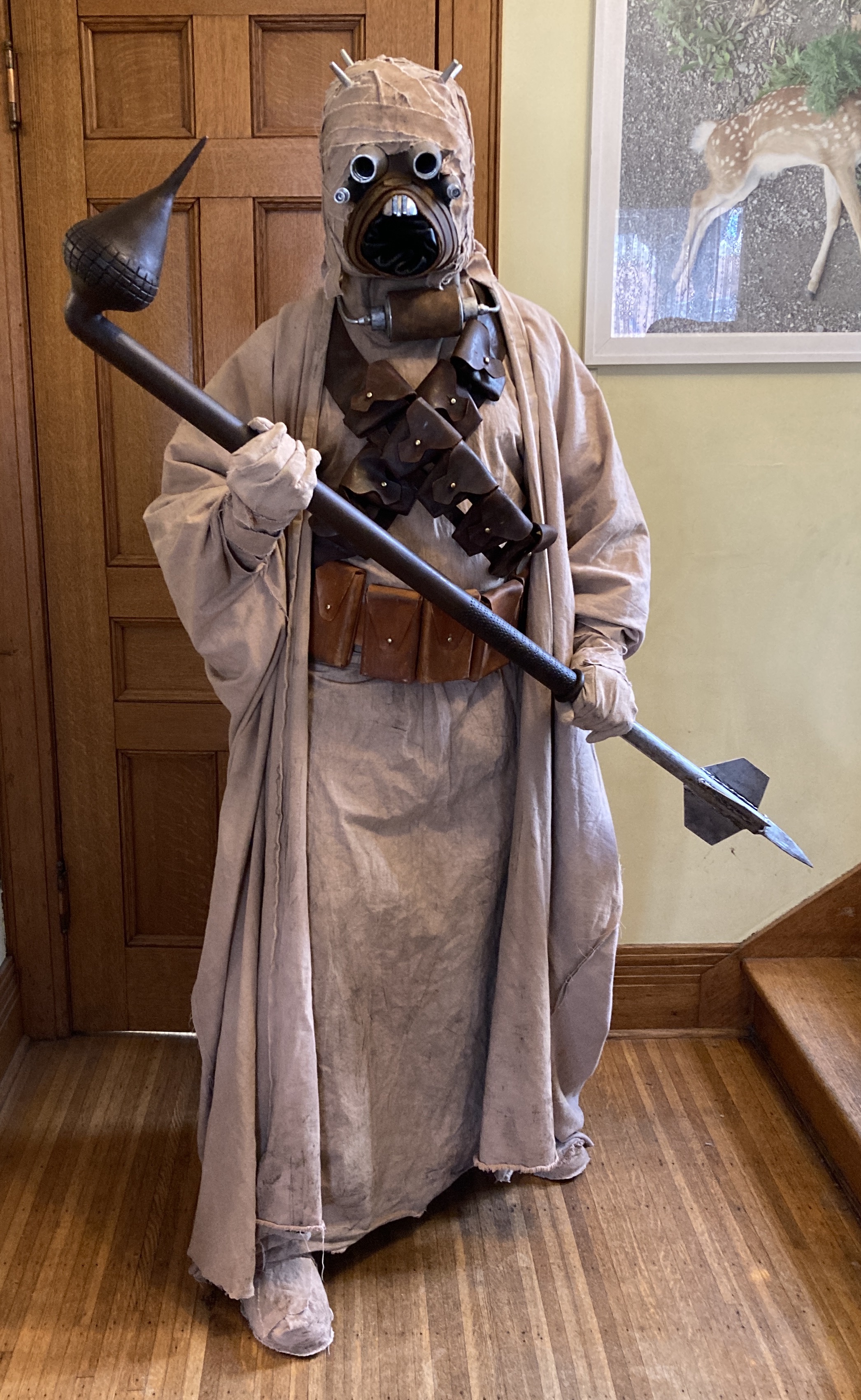
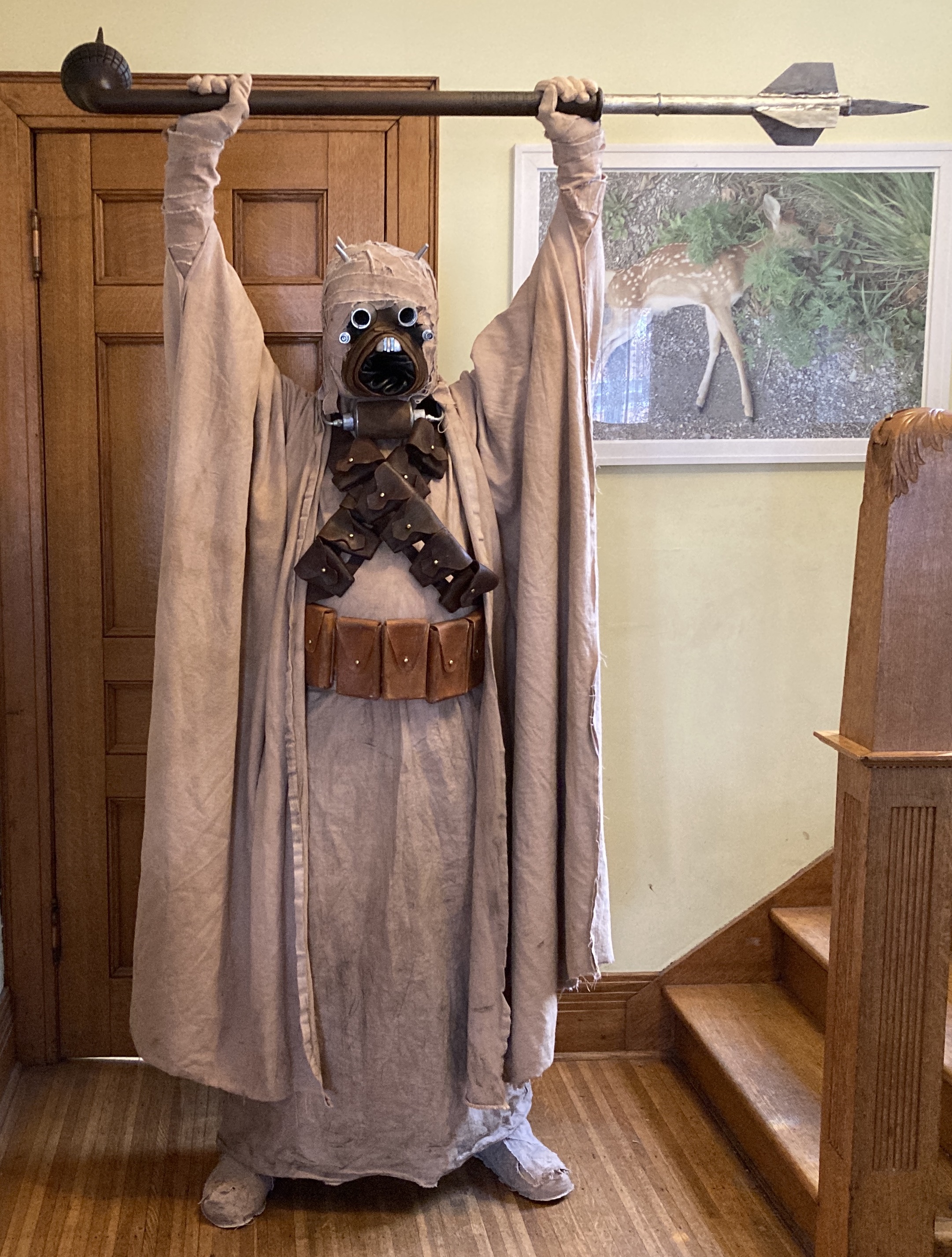
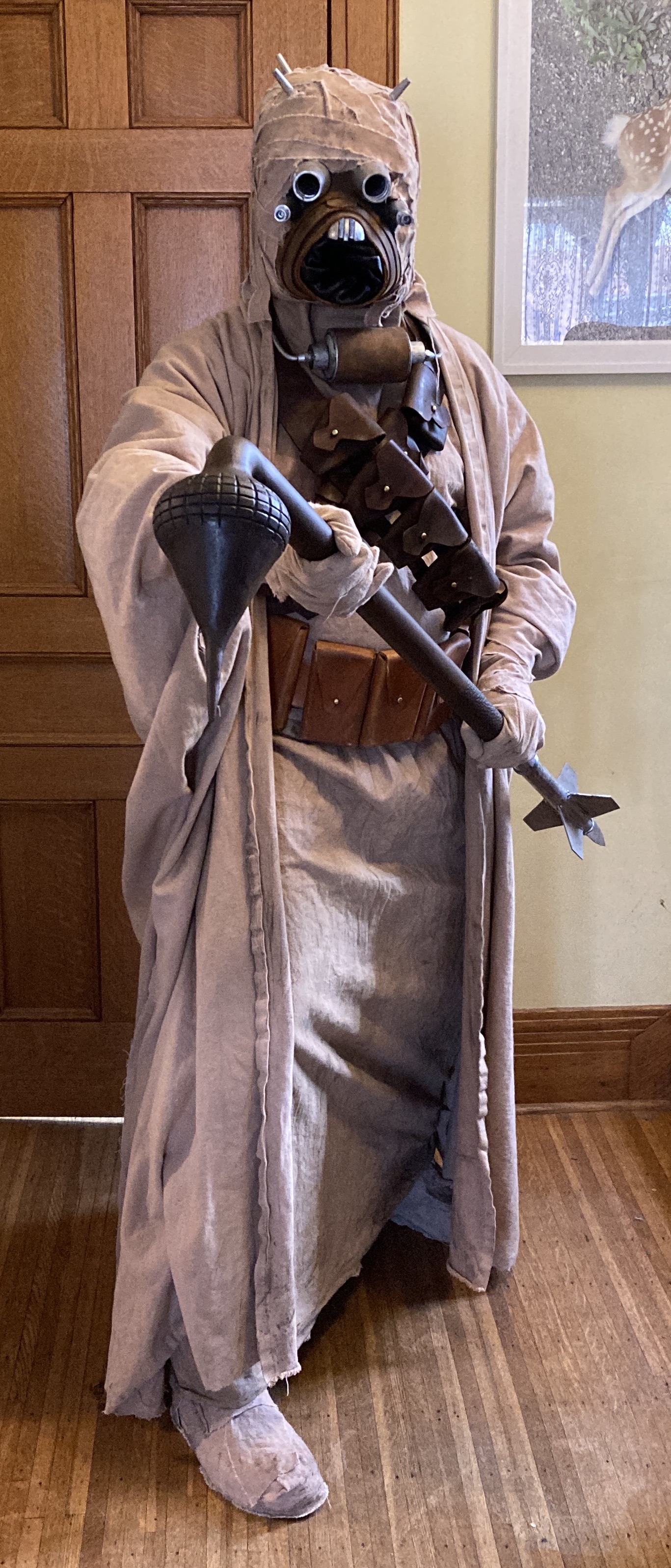
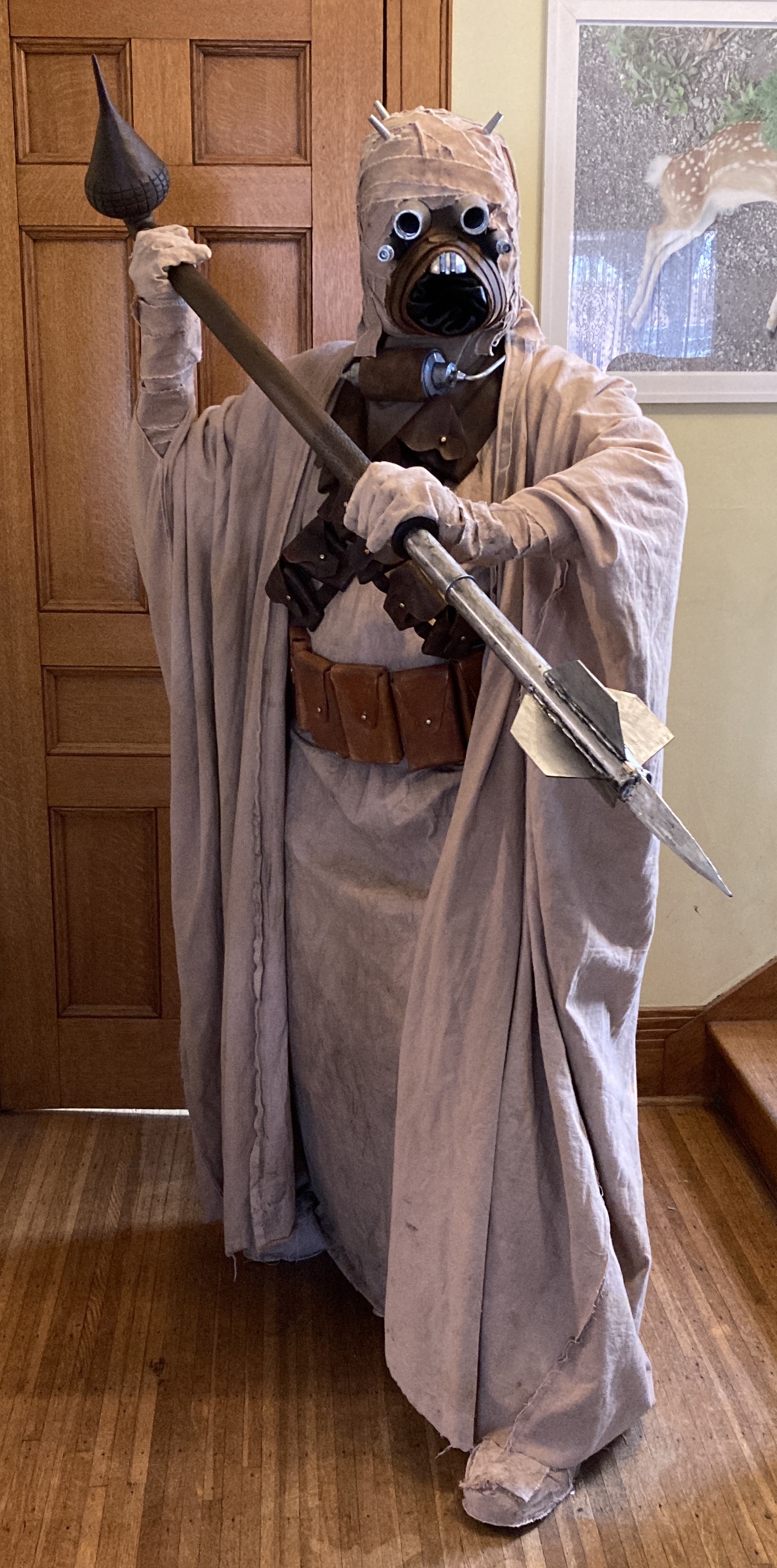
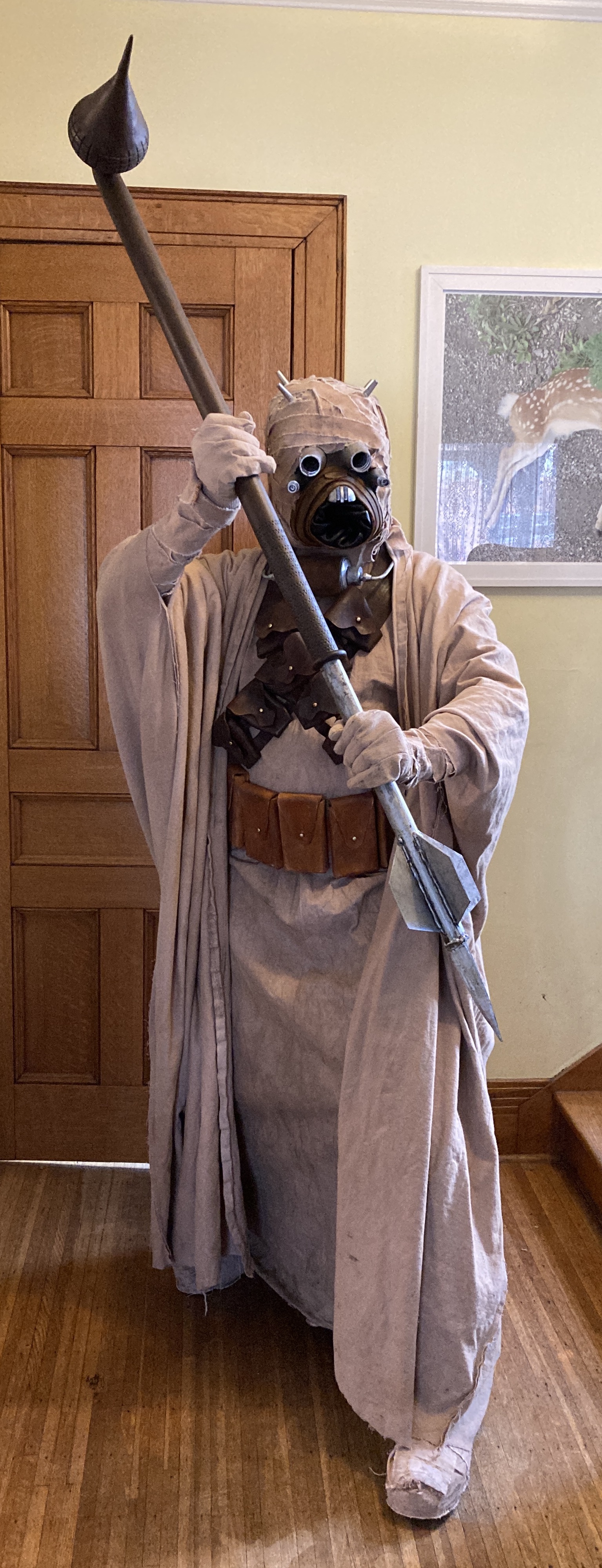
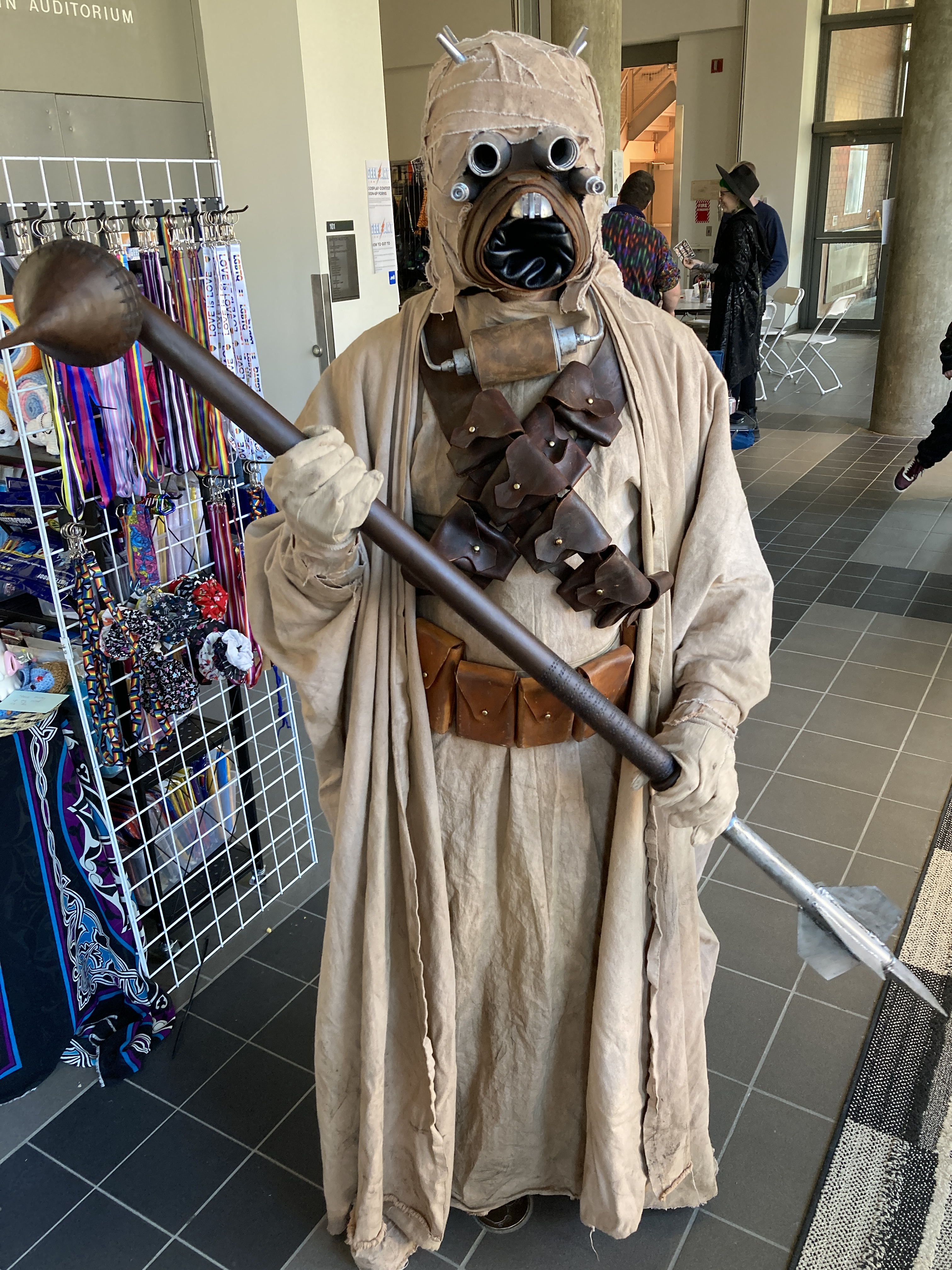
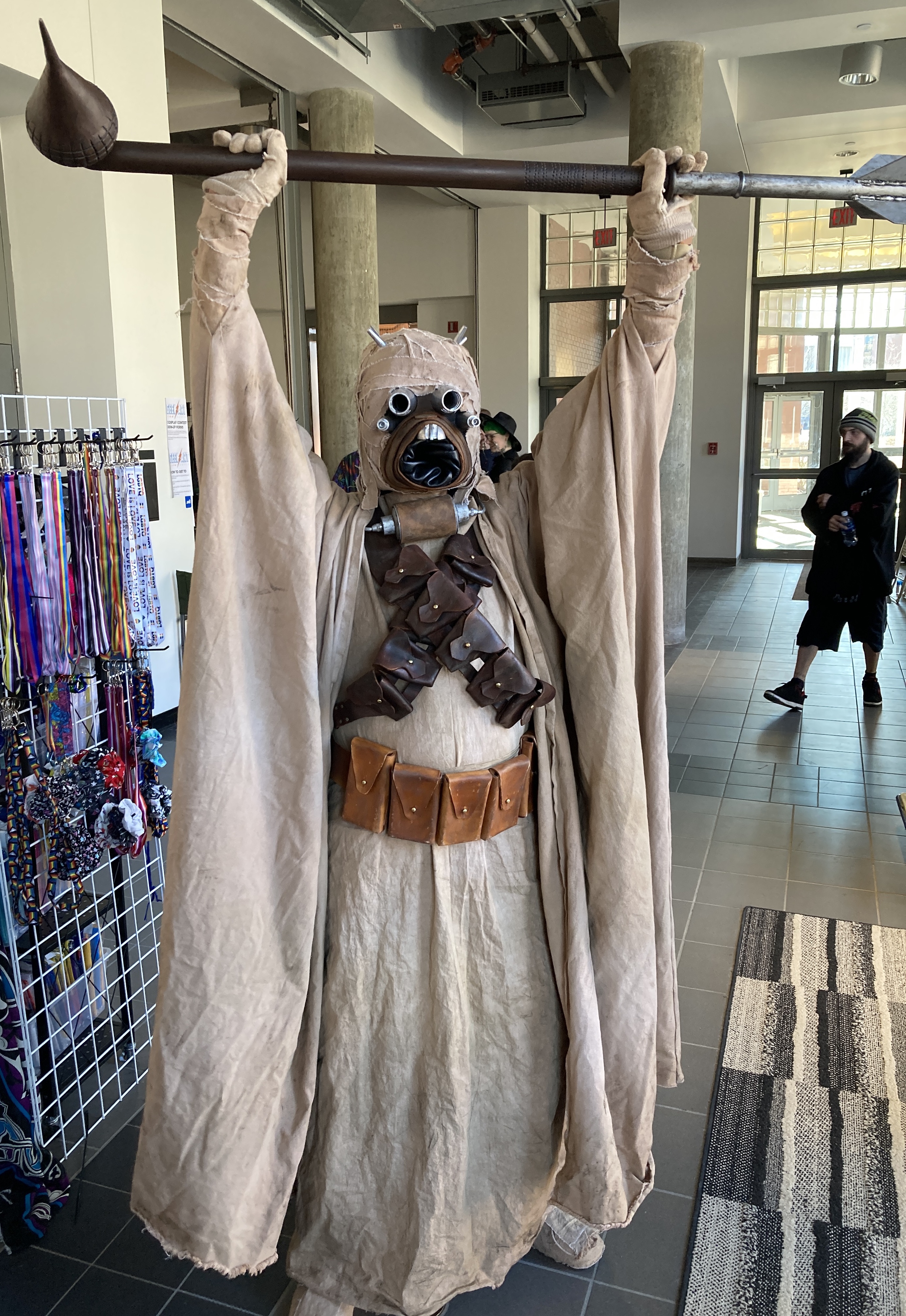
Tusken Raider cosplay

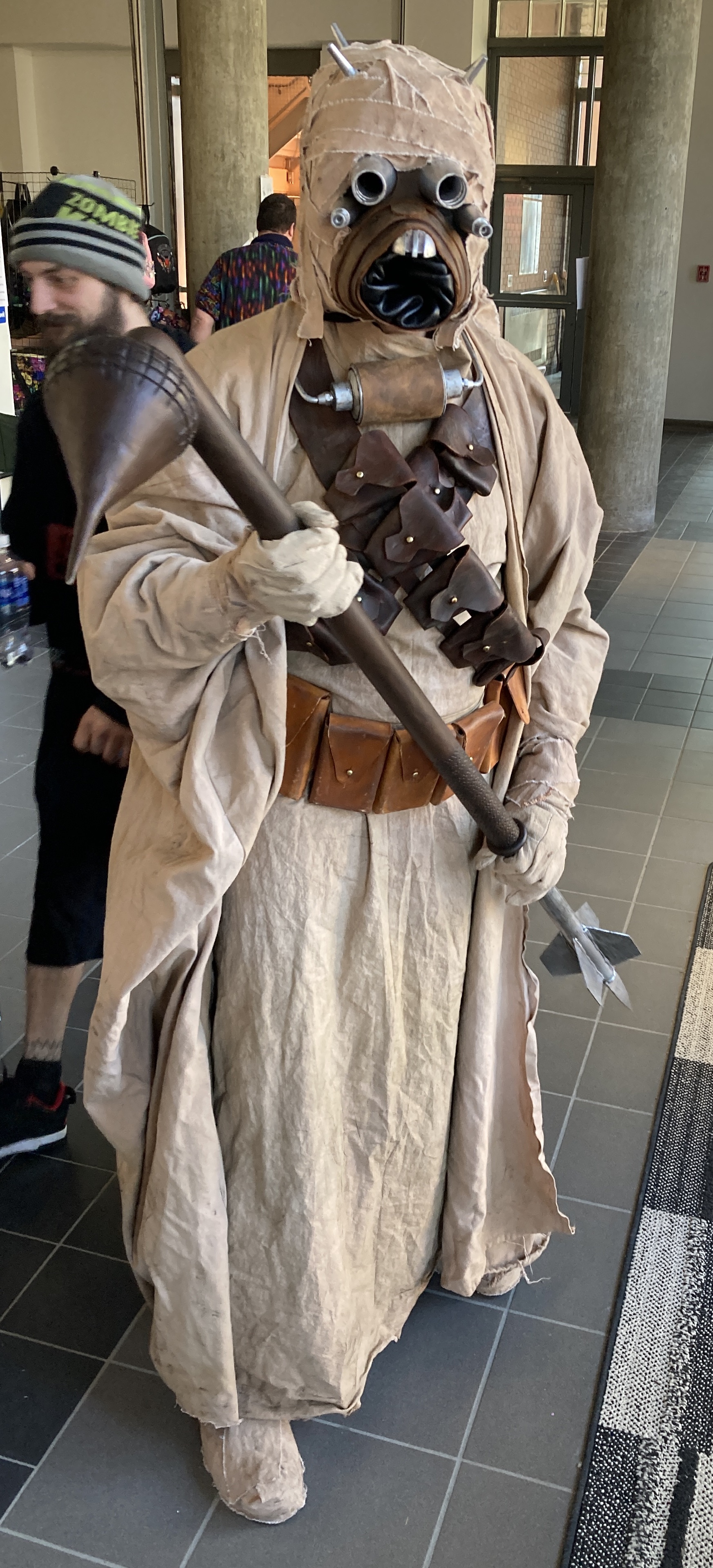
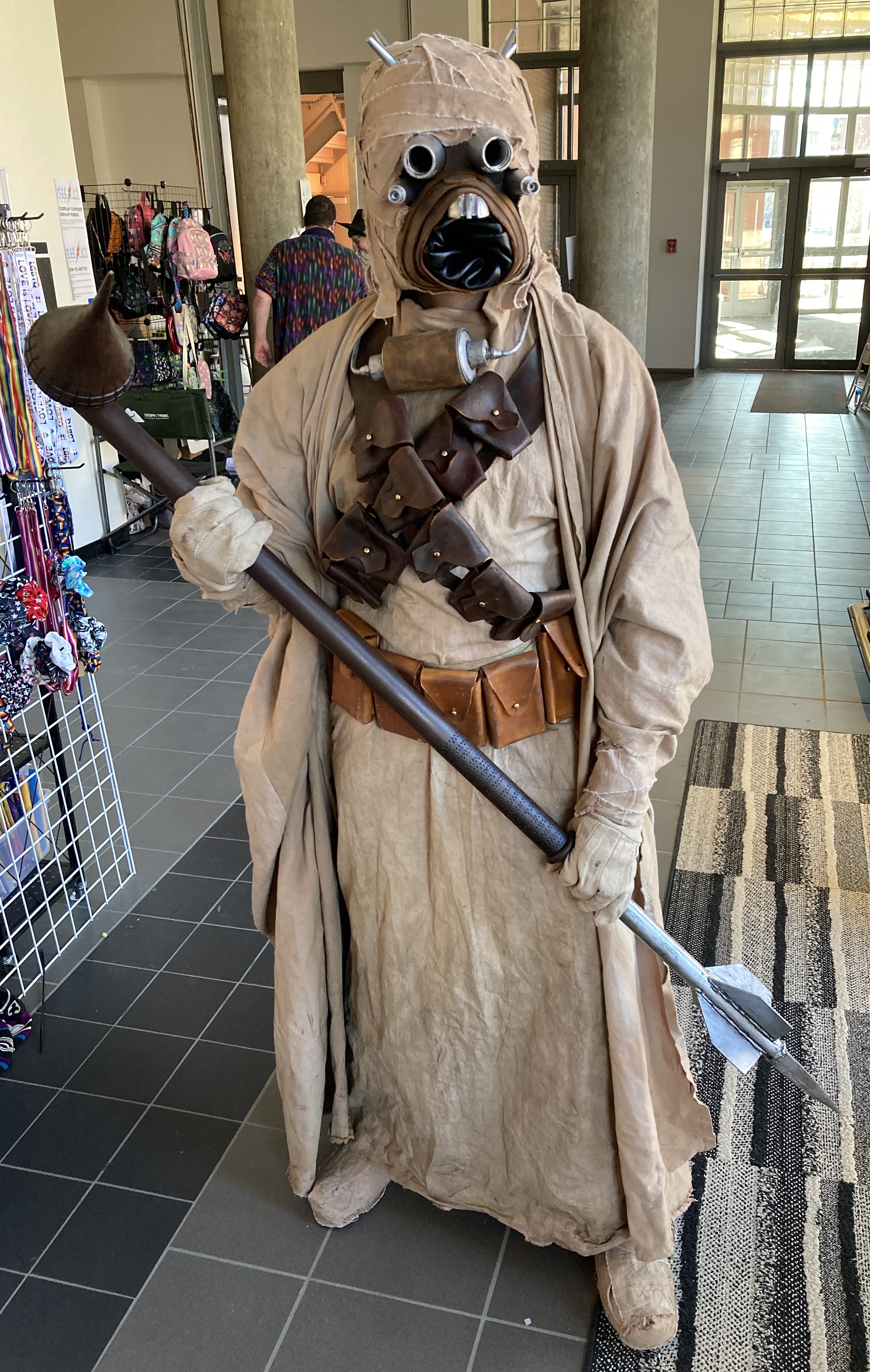
The A New Hope, male, version, if you’re interested.

I actually don’t have a huge explanation of this cosplay. It’s probably the most well-known character I’ve done in years, one that doesn’t require me to explain some weird continuity quirk or decades-long comic history. It’s just one of the Sand People who tried to kill Luke and steal R2 in the first Star Wars.

I started this thinking it was going to be relatively straightforward, but as with all costumes, it turned out to be more complicated than I thought. It’s scratch-built, including the leather bandoliers, except for the metal bits on the face, which are 3D printed from Thingiverse.

And no, I can barely see anything out of it. This has the worst visibility of any of my costumes.

If you are a stickler, you will note that the gaffi stick is slightly different in design from the most popular version in the movie, partly in the pineapple head design but also because the spike is a 3-sided pyramid, not 4-sided. Why? Well, as my son said, 3-sided blades are “better for war crimz.” So there’s that.

Or as the Tusken says, “Hraaaaaaaa…hruk hurk hruk hruk hruk hruk!”

Back Issues

I’ve been volunteering at Cloud City Comics & Toys since February 2012.

I help organize their boxes of back-issue comics, putting them in alphabetic and numeric order. I keep general tabs on the 60+ boxes of old comics in the front of the store, which are generally in order but can become slowly disorganized through their constant use by customers.

outside boxes

My main priority, however, is organizing the boxes in the store room in the back, where Cloud City puts the comics they buy from other collectors, and which eventually end up for sale online. Since they are constantly buying collections, this is an endless task! The comics in these back-room boxes are often completely random, so they must be organized from scratch.  Here’s a small sample:

backboxes

Originally, I just organized these boxes individually.  I am now engaged in a new “Uber Organization,” which is slowly creating an inter-box order, with the first box starting with the A comics and moving along to the last box ending with all the Z comics.  There are scores of boxes to be organized and interpolated.

A standard comics long box holds about 200-300 comics. I can organize one to three individual boxes an hour, depending on how well they’re organized in the first place.  With the new Uber-Organization, I can do about one box every two hours.

I work on Back Issues depending on need.  Originally I worked there about two hours a week.  After I finished organizing all the boxes in the front and back, I took a break for a few months until there was more organizing to do.  I am now back to working on the Uber-Organization every week.

A lot of my work is about systems organization, and often I deal with very complex systems, as seen in my paleontology projects (some of which can be seen on this site), tree projects, or In Medias Res. Back Issues, on the other hand, intentionally deals with a very straightforward kind of organization (alphabetic and numeric), but also one that has a direct, positive, real-world impact on the store in which I volunteer: putting the comics in order improves the customer experience in the front of the store, and allows Cloud City to more easily put their back-room comics up for sale online.  Since a lot of my work also involves me trying to help people for free (although I do get a discount on my comics, so not entirely free in this case!), this “helpful volunteerism” is also an important aspect of the work.

I want to thank Jeff Watkins, the owner of Cloud City, for generously allowing me to work with the store on this project.

Psychic Dinosaurs from the Future

I’m writing a science-fiction novel called Psychic Dinosaurs from the Future.  It’s about some psychic dinosaurs that are from the future.  The book is aimed at middle school kids.

I’m currently editing and expanding the first draft, after which I plan to run it past my kids to see what they think.  When I’ve added what I am sure are their many suggestions for improvements and additions, I’ll start looking for publishers.  Although I consider it to be a work of art–a realization of my explorations into dinosaurs and geek culture–the goal is for it to function as a completely straightforward kids’ sci-fi novel.

I’ve included a couple of the many supplementary materials I’ve created to help write the book: a quick sketch of the various dinosaurs’ colorations and relative scales, and a timeline of which characters appear in each chapter.